Mistakes New Locksmiths Make And How to Avoid Them
Posted by Ryan Barbin, AKS on Oct 19th 2026

Locksmiths often learn things the hard way—by trial, error, and occasionally… by staring at something they don’t understand, just long enough to.
This article is no different.
Below are some of the most common mistakes new locksmiths make.
The explanations are clear. The lessons are obvious.
The solutions…waiting to be unlocked.
Understanding what went wrong is the easy part.
Knowing how to fix it is what separates beginners from professionals.
So we hid the solutions in code, and if you can unlock it…
then you’re already learning.
The Fastest Way to Learn Is to Get It Wrong
Regardless, certain mistakes can be avoided and thus, save on time, money, and headache.
This is why we have compiled 8 of the most common mistakes new locksmiths make, and how to avoid them. Seeing as locksmiths tend to enjoy picking at and unlocking things, the answers will require a little of both, all in the name of good fun and clever writing. In this article—the solution is the puzzle. Happy decoding!
Mistake #1 — Trying to Say YES to Every Job

When you’re new, every phone call feels like an opportunity, every request feels like momentum, and every “yes” feels like progress.
It’s understandable. You want the work. You want the experience. You don’t want to turn anyone away.
But here’s the problem — not every job is your job.
Saying yes to everything often means stepping into work you’re not ready for yet.
Jobs that take longer than expected.
Jobs that create unnecessary stress.
Jobs that turn into lessons you didn’t plan on learning that day.
And while experience is important, confidence earned too early has a way of humbling you quickly.
The truth is, knowing when to say no is just as important as knowing how to say yes.
The Solution: Aysay esyay otay obsjay atthay uildbay ouryay illskay. Sayskay onay otay obsjay atthay ostcay ouyay ouryay eputationray. Growyay ithway intentionway — otnay ithway anicpay. Ustomerscay oday otnay ememberray owhay astfay ouyay aidsay esyay. Heytay ememberray owhay ellway hetay objay asway oneday.
Mistake #2 — Buying Tools Before Learning to Use Them
Let’s be honest—the locksmithing profession comes with a ton of really cool gear.
Screens, buttons, cables, machines and more…and the pressure to have all the latest and greatest gadgets can be tempting. But the secret to success isn’t always in simply having it all, but understanding how and when to use it.
Without the proper training, that shiny new investment quickly turns into:
-
A very expensive paperweight
-
A cause of stress on live jobs
-
A source of buyers remorse
When you’re new, this mistake usually comes from excitement, from wanting to be prepared and confident and look like the expert you need your clients to believe in.
But preparation isn’t about owning everything.
It’s about knowing when and why to use what you have.
The Solution: Earnlay eforebay ouyay investway. Ainingtray akesmay ethay ooltay orkway orfay ouyay — otnay ethay theroay ayway oundaray. Ethay ustomercay oesn’tday arecay owhay ewnay ouryay ipmentequay isay. Heytay arecay atthay ouyay owknay atwhay ouyay areway oingday.
Mistake #3 — Underestimating Time/Overpromising Speed

Early on, speed feels like the goal.
You want to sound confident.
You want to reassure the customer.
You want the job.
So you say...
“I’ll be there in 15.”
“Should only take a few minutes.”
“I’ll have you taken care of real quick.”
And sometimes… you’re right.
But locksmithing has a funny way of humbling timelines.
What starts as a “quick job” turns into:
-
A lock you haven’t seen before
-
A vehicle that doesn’t behave like it should
-
A situation with more variables than expected
Suddenly, the clock is working against you.
The problem isn’t that the job takes longer —
it’s that you promised it wouldn’t.
Customers are far more patient with uncertainty than they are with broken expectations.
And nothing erodes trust faster than a rushed locksmith trying to catch up to their own words.
Speed comes with experience.
Accuracy comes first.
The Solution: Omisepray imetay angesray, otnay eedspay. It’sway etterbay otay ivegay imetay ackbay anthay askway orfay oremay. Oday otnay aysay I’llway oday itway astfay. Aysay I’llway oday itway ightray!
Mistake #4 — Pricing Too Low or Too High
Pricing is uncomfortable when you’re new.
Price too low, and you feel taken advantage of.
Price too high, and you feel like you’re guessing.
So most new locksmiths pick one extreme.
Some underprice to “get experience,” hoping volume will make up the difference.
Others overprice out of fear — worried they’ll lose the job if they don’t justify the cost in their own head first.
Pricing too low attracts the wrong customers—those who argue, don’t value the work,
or invites scrutiny.
Pricing too high can lead to hesitation, over-explaining, or even discounting mid-conversation.
Customers can sense uncertainty immediately.
The issue isn’t the number —
it’s whether you understand why that number exists.
Pricing isn’t just about covering the job.
It’s about covering your time, your knowledge, your tools, your risk, and your responsibility.
And when you don’t price with intention, you end up paying for it later.
The Solution: Icepray ithway urposepay —otnay ithway earfay. Argechay orfay aluevay, otnay ompetitioncay. Etlay ouryay orkway eakspay orfay itselfway. Ethay ightray ustomerscay on’tday ooklay orfay ethay owestlay icepray —heytay ooklay orfay esultsray.
Mistake #5 — Not Making A Spare (When You Should)
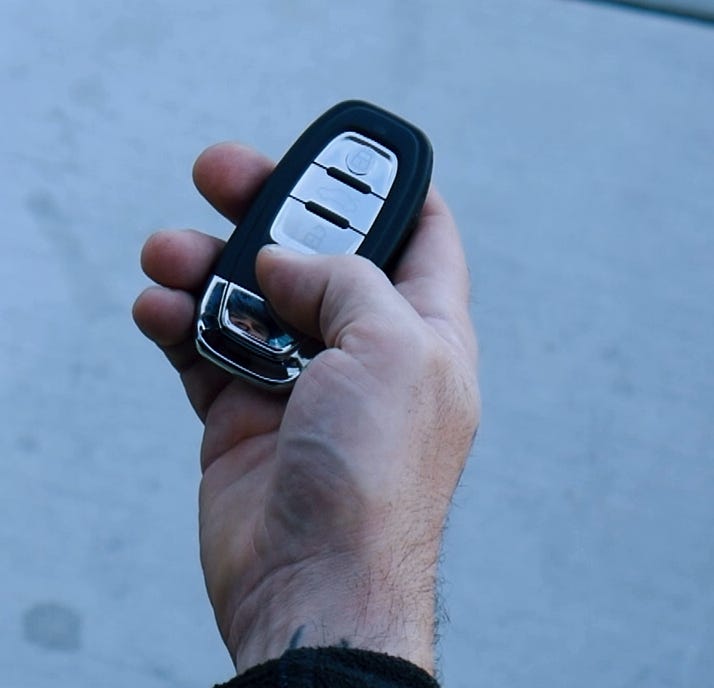
When the job is done and the lock works, it’s tempting to wrap it up and move on.
The customer is relieved, the door opens, and the car starts.
Everything feels finished.
But many locksmiths — especially early on — miss the moment that matters most.
The moment before the next problem.
Not making a spare doesn’t feel like a mistake at the time.
It feels efficient.
It feels respectful of the customer’s budget.
It feels like avoiding an awkward upsell.
Until the phone rings again.
Because keys get lost.
Remotes fail.
Batteries die.
And emergencies almost always happen at the worst possible time.
The locksmith who solves today’s problem but ignores tomorrow’s is only doing half the job.
Making a spare isn’t about selling more —
it’s about finishing the job properly.
The Solution: Waysalway inkthay aheadway. Ixfay hetay issueway eforebay itway appenshay. Avesay hetay ustomercay omfray uturefay oblemspray. Eatgray ocksmithslay on’tday ustjay unlockway oorsday—heytay eventpray uturefay mergencieseway.
Mistake #6 — Ignoring Vehicle Changes
They don’t wait for you to catch up.
They don’t care what you learned five years ago, and they certainly don’t announce when something changes.
What worked yesterday might still work today —
but that window is closing faster than it used to.
New security systems, new encryption, new procedures are all things to consider.
Ignoring vehicle changes may not seem like an issue, until the day you’re standing in front of a car you should be able to do —
but can’t.
And by then, the problem isn’t the vehicle.
It’s the gap.
Staying current isn’t about chasing every trend.
It’s about making sure your knowledge doesn’t expire before your tools do.
The Solution: Eepkay earninglay. Aystay urrentcay. Otnay earninglay odaytay isway allingfay ehindbay. Hetay estbay ocksmithslay evernay opstay earninglay.
Mistake #7 — Skipping Documentation

Documentation isn’t for when things go right —
it’s for when they don’t.
Skipping photos, notes, signatures, or work details might save a minute today,
but it can cost you hours later.
If a customer forgets what they approved, a lock suddenly fails, or a vehicle comes back with a problem that wasn’t yours to begin with—without documentation, it becomes your word against theirs.
Good documentation isn’t about mistrust.
It’s about certainty.
It protects the customer, the locksmith, and it protects the truth!
The best locksmiths don’t rely on memory —
they rely on records.
The Solution: Ocumentday eachway objay. Aketay otesnay evenway itway eelsfay ecessaryunay Ouyay illway eednay emthay enwhay itway attersmay. Ocumentationday oesn’tday owslay ouyay ownday—itway avessay ouyay!
Mistake #8 — Going It All Alone
People who like solving problems on their own.
People who trust their hands more than advice.
People who would rather figure it out than ask for help.
Early on, that independence feels like strength.
You learn by trial.
You grind through mistakes.
You tell yourself that struggling is just part of the process.
Sometimes it is, but…sometimes it isn’t.
Doing it all yourself doesn’t make you tougher —
it just makes the learning curve steeper than it needs to be.
Every experienced locksmith you admire had help along the way.
A mentor.
A class.
A supplier who answered the phone.
Another locksmith who shared what not to do.
The difference is they didn’t treat help like weakness.
They treated it like a shortcut.
This is why places like Las Vegas Locksmith University at American Key Supply, offer extensive training courses in all areas of locksmithing. It’s an opportunity for locksmiths to learn from each other. With the help of those who have seen and done it all, you can learn faster and be far more successful than simply going it alone. Joining Locksmith Sub-Reddits and Facebook Groups also can be great tools to offer more support.
The Solution: Askway estionsquay. Eanlay onway hetay ommunitycay. Earninglay oesn’tday eanmay earninglay aloneway. Eeksay owledgeknay, elphay, ainingtray, andway uidancegay. Hetay astestfay owinggray ocksmithslay areway hetay onesway askingway allway hetay estionsquay.
Mistakes Are the Point

If you made it this far, congratulations — you’ve already done the hardest part.
You slowed down.
You paid attention.
You unlocked the lessons instead of skimming past them.
And that’s exactly how locksmithing works.
Mistakes aren’t signs that you’re doing it wrong.
They’re signs that you’re learning.
Every experienced locksmith has a version of these stories —
the job they shouldn’t have said yes to,
the tool they bought too early,
the timeline they overpromised,
the price they misjudged,
the spare they didn’t make,
the system they hadn’t learned yet,
the note they didn’t write down,
the time they tried to do it all alone.
The difference isn’t who made mistakes and who didn’t.
The difference is who learned from them —
and who kept repeating them.
If this article helped you spot a few pitfalls before you fall into them, then it’s done its job, and if it made you work just a little to unlock the answers, even better.
Because locksmiths don’t shy away from challenges.
They pick at them.
They figure them out.
They learn.
And that’s how beginners become professionals.
Keep learning. Keep asking questions. Keep unlocking what’s next.
(Eepkay earninglay. Eepkay askingway estionsquay. Eepkay lockingunway at’swhay extnay.)
-Ryan Barbin, AKS
